


Obscure Relics Of The Past ▀ Intel's Optane Caching Solution Performing In Raid 0 Mode
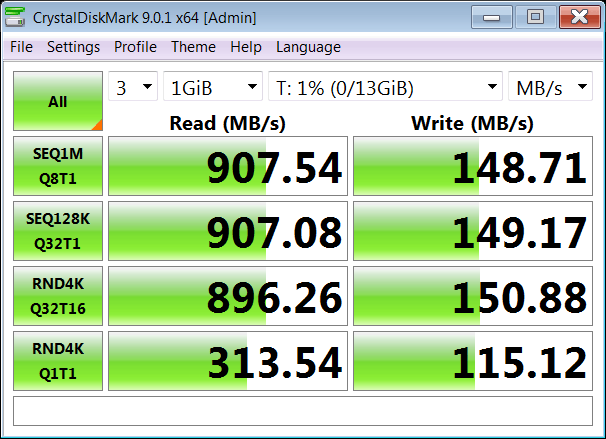
Today, we are benchmarking Intel’s low-capacity cache drives for use as dedicated Windows pagefile storage.
While I’m not typically an Intel fan boy, Optane’s architecture has consistently intrigued me.
Even on systems with 64 GB+ of RAM, Windows requires a pagefile and temporary folder for memory management.
I currently use a fixed 1 GB pagefile on a Gen4 NVMe SSD, but I wanted to test whether moving it to Optane,
known for exceptional small-file performance would improve system responsiveness.
This led me to explore a RAID 0 configuration.
In real-world workloads, sequential throughput and large-file access times are far less critical
than 4K random I/O latency, which dominates background in OS operations.
Optane drives excel in this metric and also have one really distinctive feature
like maintaining uniform performance across the entire drive regardless of fill level or data placement.
Sub-32Gb Optane modules are currently abundant and affordable on the secondary market,
making them ideal for this kind of experimentation.
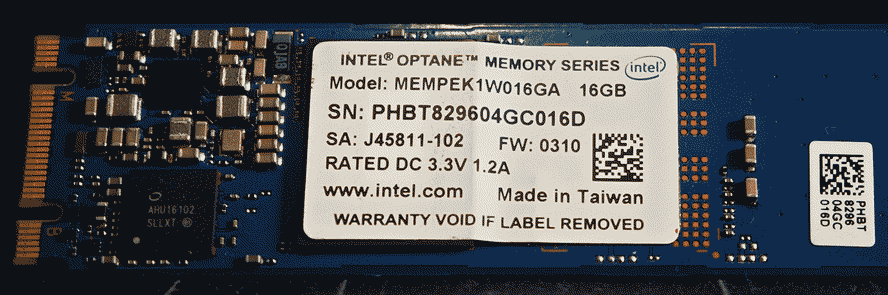
Optane strong features
- Extremely low latency
- Exceptional low-queue random reads, like strong QD1 4K reads
- no dram cache to fill or flush [speed is consistent across all size of the storage]
Here is fast comparison with top of the line NVME Gen4 drive.
Let’s run the tests and evaluate sub-4KB read/write performance.
Here are some speed comparisons of different drive types.
So you can observe disposition from a perspective.
SHDD /W SSD CACHE
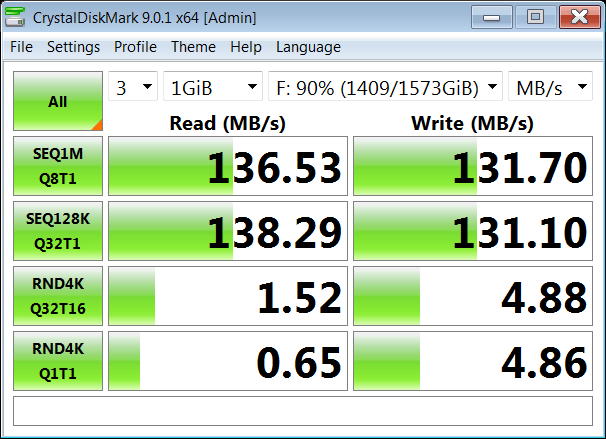
GENERIC SSD
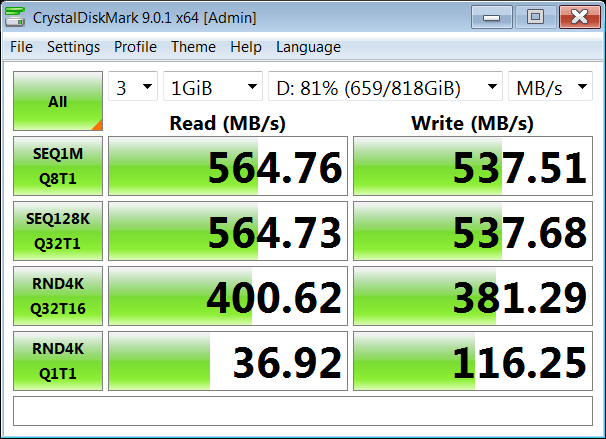
NVME USB3
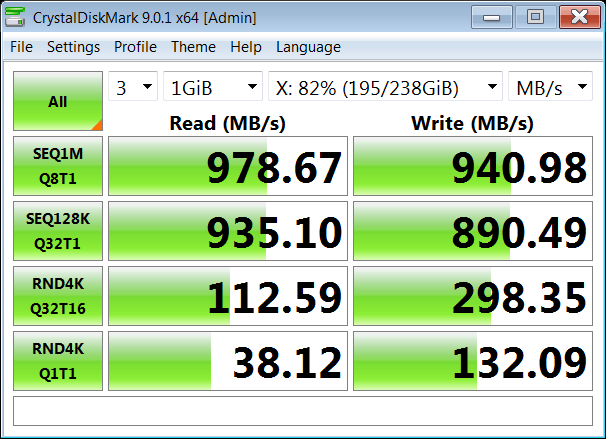
NVME GEN4
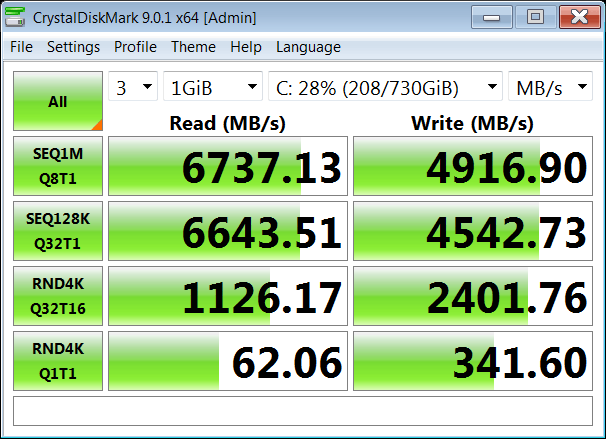
OPTANE 16GB
OPTANE 16GB x2 RAID0

As i mentioned previously i am going to use Optane Raid0 for a temporary folder to store
system junk, 32Gb should be sufficient amount of storage.
Why do you say that it is a cheap solution?
Because you can easily acquire this product for literally nothing [around 4 dollars per stick].
Of course we have an ultra hi-end solutions like P5810X which costs a fortune for a mint condition.
5810X is a final iteration of Optane technology released back in 2022.
It has even better latency and even better QD1 4K reads.
Brief conclusion
So if your primary use-case is an ultra fast responsiveness for operating system,
software or a game loading the old tech from Intel remains unbeatable even in 2026.
Note to the readers: stay tuned for NVME Gen5 appearance and what is more importantly Opten P5800X
i will add both of them to this benchmark table, just to be complete and consistent across storage technologies